

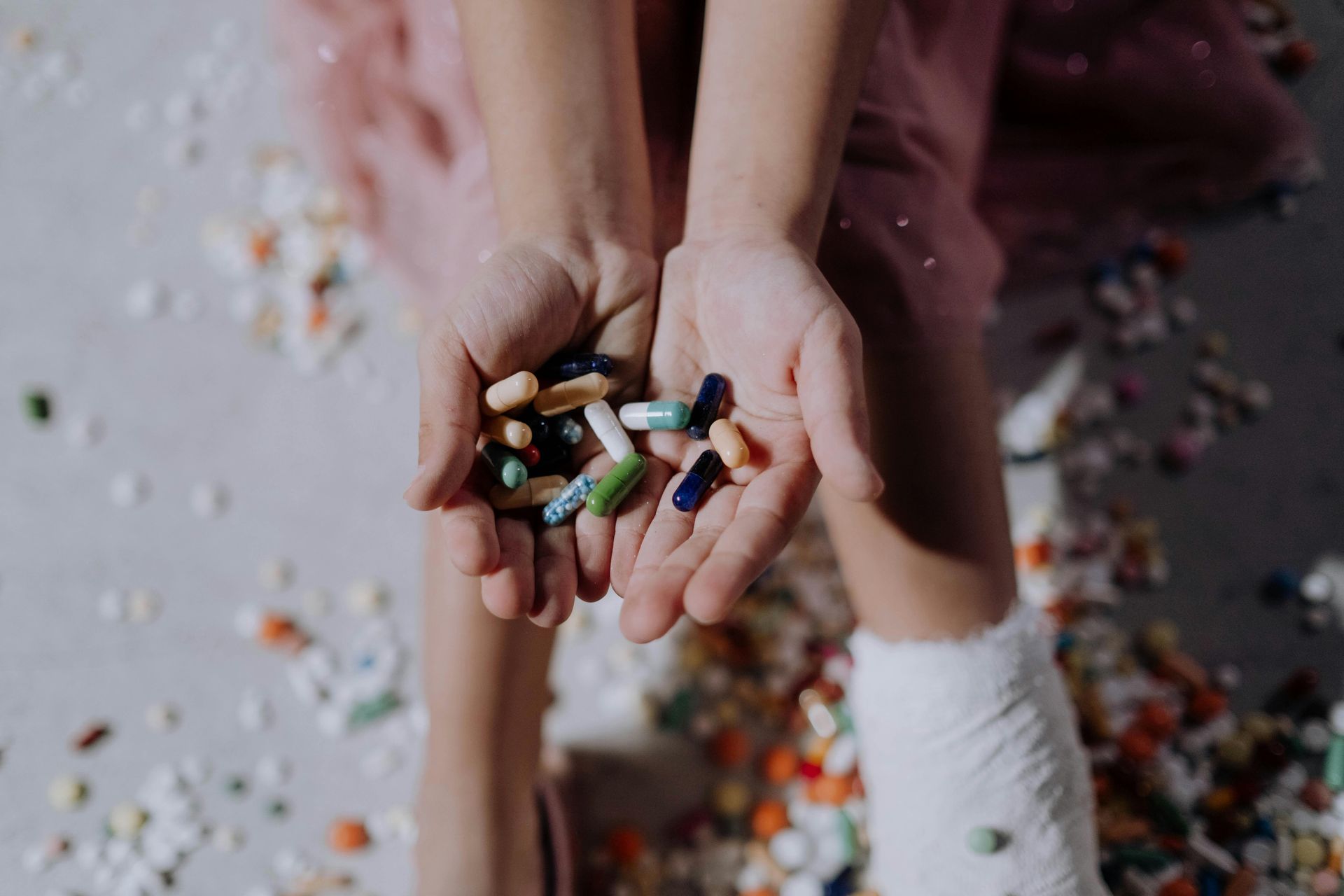
Substance Abuse at House and Its Results on Kids: A Hidden Disaster
Substance abuse is a critical situation that impacts not solely the person utilizing medication or alcohol but additionally their whole household—particularly kids. When a guardian or caregiver struggles with habit, the house surroundings can grow to be unstable, unsafe, and emotionally damaging. Kids who develop up in these circumstances typically expertise long-term bodily, emotional, and psychological results that may carry over into maturity.
On this weblog, we’ll discover the far-reaching penalties of substance abuse at residence and the way it can have an effect on a baby’s improvement, habits, psychological well being, and future relationships. We’ll additionally have a look at indicators to look at for, and the way intervention and assist could make a distinction in a baby’s life.
—
The Unseen Victims: Kids in Substance-Affected Properties
Kids are sometimes called the “unseen victims” of habit. Whereas the eye is usually positioned on the individual fighting substance use, kids within the family are sometimes left to deal with the chaos and emotional neglect on their very own. They’re pressured to navigate an unpredictable world—generally turning into caretakers, generally turning into invisible.
Even when the guardian doesn’t outwardly hurt the kid, substance abuse creates an surroundings stuffed with anxiousness, worry, confusion, and sometimes disgrace. Kids might not totally perceive what’s occurring, however they really feel the results deeply.
—
Emotional and Psychological Results
1. Nervousness and Concern: A house the place substance abuse is current is commonly unpredictable. Kids might by no means know what temper their guardian will probably be in or if there will probably be violence or emotional outbursts. This results in power anxiousness and worry, which may have an effect on sleep, focus, and total psychological well-being.
2. Low Self-Esteem: Kids might blame themselves for a guardian’s habit or consider that they’re unlovable or unworthy of care. Fixed publicity to neglect or criticism can shatter their self-confidence and make it tough for them to kind a wholesome self-image.
3. Melancholy and Loneliness: Many kids in these environments really feel remoted and completely different from their friends. They might keep away from bringing buddies residence or speaking about their household life. This may end up in emotions of deep disappointment, loneliness, and even despair.
4. Disgrace and Guilt: Even when kids know they aren’t at fault, they typically carry guilt over their household scenario.
They might really feel embarrassed to speak about their residence life and preserve secrets and techniques to guard their mother and father or siblings.
—
Behavioral and Developmental Penalties
1. Tutorial Struggles: Unstable residence environments could make it onerous for youngsters to focus in class or full homework. They might miss courses, fall behind academically, or act out within the classroom. Lack of sleep, starvation, or emotional stress additional compounds these points.
2. Aggression or Withdrawal: Kids might grow to be aggressive, mimicking the behaviors they see at residence, or withdraw utterly from social interplay. Some kids grow to be overly accountable—caring for siblings or making an attempt to “repair” the scenario—whereas others insurgent and interact in dangerous habits.
3. Delayed Improvement: Particularly for youthful kids, fixed publicity to trauma can delay emotional, cognitive, and social improvement. Language delays, bother forming attachments, and problem regulating feelings are frequent.
4. Elevated Threat of Substance Use Later in Life: Analysis constantly reveals that kids of fogeys who battle with habit are considerably extra prone to develop substance use problems themselves. Rising up in an surroundings the place substance abuse is normalized or used to deal with stress can create a harmful cycle that repeats throughout generations.
—
The Affect of Home Violence and Neglect
In lots of properties the place substance abuse is current, home violence or neglect can be an element. Kids might witness bodily fights, be subjected to emotional abuse, or undergo from bodily neglect resembling lack of meals, clear clothes, or medical care. These traumatic experiences have long-lasting results on the mind and emotional improvement.
Opposed Childhood Experiences (ACEs), resembling residing with a guardian who has a substance use dysfunction, are strongly linked to unfavorable well being outcomes later in life, together with psychological sickness, coronary heart illness, and even a shorter lifespan.
—
Coping Mechanisms and Survival Methods
Kids in properties affected by substance abuse typically develop coping mechanisms to outlive. These might embody:
· Turning into a caregiver: Taking up grownup tasks like cooking, cleansing, or caring for youthful siblings.
· Emotional numbing: Shutting down emotionally to keep away from feeling ache.
· Perfectionism: Attempting to do the whole lot “proper” in hopes of stopping battle.
· Escapism: Turning to fantasy, books, video video games, or substance use themselves to flee actuality.
Whereas these methods might assist in the quick time period, they will hinder emotional development and result in challenges in forming wholesome relationships in maturity.
—
Indicators a Little one Might Be Residing with Parental Substance Abuse
Adults—whether or not academics, medical doctors, members of the family, or neighbors—can play a vital position in figuring out kids in danger. Some warning indicators embody:
· Frequent absences from faculty or daycare
· Poor hygiene or clothes inappropriate for the climate
· Unexplained accidents or indicators of neglect
· Excessive habits (withdrawn, aggressive, overly compliant)
· Hassle concentrating or falling asleep
· Expressions of worry or anxiousness about going residence
—
Breaking the Cycle: Assist and Intervention
The excellent news is that kids are resilient—and with the best assist, they will recuperate from the trauma of rising up in a substance-affected residence.
1. Counseling and Remedy: Skilled remedy, together with trauma-informed care and play remedy, may help kids course of their feelings, develop wholesome coping mechanisms, and construct belief in secure adults.
2. Supportive Relationships: Even one secure and loving relationship—whether or not with a grandparent, instructor, coach, or counselor—could make a big distinction in a baby’s life. Constant assist builds a way of security and belonging.
3. Schooling and Prevention Applications: Faculties and neighborhood organizations can present training about habit and train kids expertise to handle feelings, resolve battle, and search assist when wanted.
4. Involvement of Little one Protecting Providers (CPS): In instances of extreme neglect or abuse, intervention from CPS or social providers could also be essential to take away the kid from hurt and guarantee their security.
—
Last Ideas
Substance abuse doesn’t simply impression the individual utilizing medication or alcohol—it impacts the whole household, and the youngest members are sometimes those who are suffering in silence. Kids rising up in properties affected by habit face a novel set of emotional, developmental, and psychological challenges that may form their whole lives.
By recognizing the indicators, advocating for these kids, and offering them with the assist they want, we are able to break the cycle of habit and assist them construct more healthy, brighter futures. Each baby deserves a secure and loving residence—irrespective of their circumstances.
—
In case you or somebody you understand is fighting substance abuse, there are assets out there. Early intervention saves lives—not only for the individual utilizing, however for each baby who loves them.