

Innovation By Collaboration
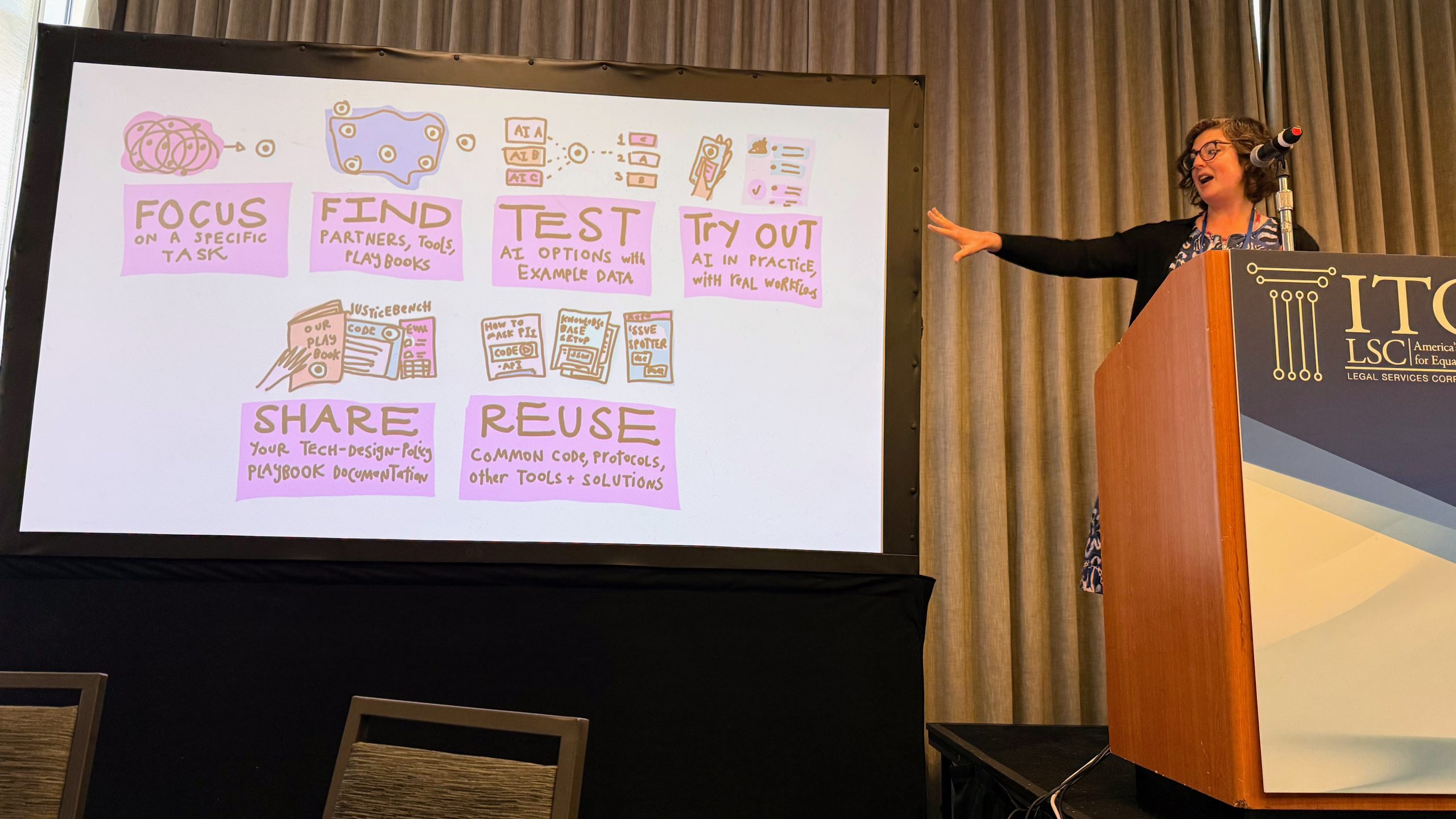
Open, Collaborative R&D
- Unsustainable patchworks, during which each group tries to construct its personal model of an AI-powered consumption system, however then these methods can’t be sustained as a result of grants run out and methods breaking when fashions change.
- Poor efficiency and reputational hurt, during which undertested AI instruments get greenlighted however then don’t carry out effectively within the subject, resulting in dangerous headlines, regulatory inquiries and potential consumer hurt.
- Lacking the second, during which preliminary funding grants lock organizations into poor-performing tech instruments might squander this window of alternative.
Maximizing What You Have
The Actual Challenges
- Change administration is maybe essentially the most basic impediment, she mentioned. Expertise gaps persist “when individuals don’t have time to discover and be taught and simply attempt new issues.” The problem intensifies as a result of LSOs usually work with methods – consumption methods, e mail platforms, reporting instruments and collaboration software program – that aren’t effectively built-in.
- E mail overload is a common ache level, with e mail having develop into the default for every thing: doc storage, mission administration, communication, and collaboration. “That’s inefficient and that makes collaboration tough,” Hessel mentioned.
- File search inefficiency compounds the e-mail drawback. Information scatter throughout case administration methods, inboxes, shared folders and private folders.
- Reluctance to share work in progress displays the very human problem of individuals’s hesitancy to share unfinished work, fearing they may invite suggestions that creates extra work when they’re already overwhelmed with circumstances.
- Issues about AI and transcription instruments current a more recent problem, with authorized professionals wanting assurance that shopper knowledge is protected and that instruments are getting used ethically and responsibly.
Sensible Options with Present Instruments
- Structured knowledge consumption utilizing Microsoft Kinds and SharePoint Lists to seize all obligatory info upfront, minimizing repetitive back-and-forth communication.
- Activity and request administration by way of SharePoint Lists can supply big benefits over e mail, with the power to assign work, observe standing, add precedence flags and create a searchable historical past of how related conditions have been dealt with.
- Collaborative doc creation can resolve the issue of model management. The important thing, they mentioned, is making a single supply of reality by being intentional about the place paperwork are first saved – saving on to OneDrive for Enterprise or a SharePoint website folder as an alternative of native laborious drives, then sharing hyperlinks slightly than e mail attachments.
- Content material discovery and metadata can permit organizations to maneuver past paper-based folder hierarchies. By utilizing customized metadata columns as an alternative of folders, organizations can view content material throughout dimensions that folders can not assist.
LSC’s Strategic Evolution
Three Converging Themes
- Be strategic, not reactive. Don’t chase each AI thought. Deal with particular duties with confirmed ache factors.
- Don’t begin from scratch. Earlier than constructing one thing new, discover who else has labored on it.
- Spend money on your information base. The “gold stuff” authorized organizations have is their experience. Construction it, label it, and make it AI-ready.
- Share as you go. Follow “radical collaboration.” Share code, datasets, analysis strategies, and learnings so others can construct in your work.